
Perplexity Chrome acquisition

Perplexity Shakes Tech World with Bold $34.5 Billion Chrome Browser Bid

FirstBank fintech innovation

Game-Changing Move: Perplexity Targets Google’s Chrome Empire

The artificial intelligence landscape witnessed a seismic shift today as Perplexity made a formal offer to acquire Google’s Chrome browser for $34.5 billion, according to Bloomberg. This unprecedented bid represents nearly double the AI startup’s own valuation, signaling an aggressive strategy to reshape the future of web browsing and search technology.

The Numbers Behind the Audacious Offer

Perplexity, currently valued at approximately $18 billion, has submitted this massive acquisition proposal to Alphabet, Google’s parent company. The timing coincides with ongoing antitrust pressures facing Google, where the Department of Justice wants Google to be forced to sell Chrome. 

The financial backing for this monumental transaction appears solid. According to Bloomberg reports, multiple large investment funds have agreed to finance the transaction in full. Furthermore, Perplexity has committed to investing over $3 billion in Chrome and Chromium development over the next two years if the deal materialises.

Strategic Implications for the AI Search Wars

This acquisition attempt represents more than just a business transaction. Perplexity, as a Google Search challenger, is looking to upend how people find information online. The company’s CEO Aravind Srinivas appears to be positioning Perplexity as a major disruptor in the search engine market dominated by Google for decades.

Interestingly, the AI startup would reportedly retain Google as the default search engine on the browser, suggesting a collaborative rather than competitive approach initially.

Pattern of Bold Strategic Moves

This Chrome bid isn’t Perplexity’s first headline-grabbing acquisition attempt. The startup submitted a proposal to merge with the short-form video app TikTok in January, demonstrating a pattern of targeting high-profile digital assets facing regulatory uncertainty.

The TikTok proposal emerged during intense scrutiny over the platform’s Chinese ownership, though as of August, Perplexity’s proposed structure for a TikTok deal has not materialised.

Market Response and Future Outlook

Industry experts view this move as potentially transformative for the AI sector. One industry rival valued Chrome at upwards of $50 billion, suggesting Perplexity’s bid might actually be conservative given the browser’s massive user base and strategic importance.

Google has not indicated willingness to sell Chrome at any price, and no court has yet ordered such a divestiture. However, the mounting antitrust pressure creates an environment where such unprecedented deals become possible.

What This Means for Users

Should this acquisition succeed, users could experience significant changes in their browsing experience. Perplexity’s AI-driven approach to search and information discovery could transform Chrome from a traditional browser into a more intelligent, conversational interface for web navigation.

The integration of advanced AI capabilities directly into the world’s most popular browser could accelerate the adoption of AI-powered search, potentially reducing reliance on traditional search engines.

Perplexity’s $34.5 billion Chrome bid represents a watershed moment in technology industry consolidation. While the success of this audacious move remains uncertain, it underscores the rapidly evolving landscape where AI startups are willing to make massive investments to secure strategic positions in the digital ecosystem.

The outcome of this bid will likely influence future regulatory decisions regarding big tech companies and set precedents for how emerging AI companies can challenge established digital monopolies. Whether Google accepts this offer or not, Perplexity has firmly established itself as a serious player in the global technology arena.


READ ALSO: FirstBank Drives African Fintech Evolution at Historic Canada-Africa Summit

[slick-slider]
FirstBank fintech innovation

FirstBank Drives African Fintech Evolution at Historic Canada-Africa Summit

FirstBank fintech innovation

Nigerian Banking Giant FirstBank Leads Fintech Innovation Discussion at International Summit

Lagos witnessed another milestone as FirstBank, Nigeria’s oldest financial institution, took center stage at the groundbreaking Canada-Africa Fintech Summit (CAFS 2025). The four-day event, held from August 5-8 at Toronto’s prestigious Sheraton Centre, brought together industry pioneers, government officials, and tech innovators from two continents.

Cross-Continental Collaboration Shapes Financial Future

Dr. Segun Aina, President of the African Fintech Network, orchestrated this landmark gathering that united diverse stakeholders. The summit created unprecedented opportunities for dialogue between African and Canadian financial technology sectors, focusing on sustainable digital solutions and inclusive economic growth.

FirstBank’s participation demonstrates its commitment to global fintech advancement. With 131 years of banking excellence, the institution continues bridging traditional finance with cutting-edge technology. Olayinka Ijabiyi, Acting Group Head of Marketing and Corporate Communications, emphasized the bank’s vision for transformative cross-border partnerships.

Digital Banking Revolution Takes Center Stage

During pivotal panel discussions, FirstBank executives shared groundbreaking insights about Africa’s financial transformation. Chuma Ezirim, Group Executive for E-Business & Retail Products, highlighted the evolution from fintech disruption to ecosystem convergence in Nigeria.

The discussion revealed how banks, fintechs, and regulators now collaborate within an integrated framework. This shift prioritizes security, user consent, and system performance while maintaining regulatory compliance. Ezirim noted that technology implementation remains straightforward compared to ensuring robust security measures.

Artificial Intelligence Transforms Credit Access

Rachel Adeshina, FirstBank’s Chief Technology Officer, presented remarkable achievements in AI-driven lending. The bank has successfully disbursed over ₦1 trillion through digital loan platforms, achieving an extraordinary 99% repayment rate.

This innovation addresses “data poverty” by analyzing alternative data sources, enabling credit access for previously underserved populations. The AI model interprets non-traditional data points, expanding financial inclusion across Nigeria’s diverse economic landscape.

Furthermore, supportive regulatory frameworks have accelerated this progress. API banking regulations, data privacy laws, and the transition from account-based to wallet-based banking have created fertile ground for innovation.

Continental Integration Drives Future Growth

Adeshina emphasized interoperability as Africa’s next major challenge. Connecting 54 distinct markets requires sophisticated technological solutions and regulatory harmonization. Fintechs possess unique advantages to spearhead this continental integration initiative.

The fragmented nature of African markets presents both obstacles and opportunities. Digital platforms can overcome traditional barriers, creating seamless cross-border financial services. This integration will unlock significant economic potential across the continent.

Strategic Partnership Strengthens Canada-Africa Relations

CAFS 2025 aligns with Canada’s comprehensive Africa Strategy, promoting economic partnerships and digital cooperation. As Canada develops its open banking framework, collaboration with African fintech leaders provides valuable insights and mutual benefits.

The timing proves particularly strategic as both regions experience rapid digital finance evolution. African markets offer proven innovation models, while Canadian regulatory expertise provides stability and investor confidence.

FirstBank’s leadership at CAFS 2025 reinforces its position as Africa’s fintech innovation catalyst. The summit successfully demonstrated how traditional banking institutions can drive digital transformation while maintaining regulatory compliance and customer trust.

The conversations initiated in Toronto will likely influence fintech development across both continents. As digital finance continues expanding globally, partnerships between established institutions like FirstBank and emerging fintech companies will shape the industry’s future trajectory.

This collaborative approach ensures sustainable growth, regulatory alignment, and inclusive financial services that benefit consumers across diverse markets. The success of CAFS 2025 establishes a foundation for continued cooperation between African and Canadian fintech ecosystems.


READ ALSO: Google Invests $37 Million in African AI Revolution: Transforming Agriculture, Healthcare, and Education

[slick-slider]
Google Invests in African AI

Google Invests $37 Million in African AI Revolution: Transforming Agriculture, Healthcare, and Education

Google Invests in African AI

Technology giant Google announces groundbreaking investment to accelerate artificial intelligence innovation across Africa. This substantial commitment represents a pivotal moment for the continent’s digital transformation journey.

Google’s Historic $37 Million AI Investment Package

Google unveiled its comprehensive $37 million investment strategy during Thursday’s launch event. The tech corporation pledges substantial support for local AI research initiatives and innovative projects spanning multiple sectors.

The investment focuses on critical areas including crop monitoring systems and language adaptation technologies specifically designed for African markets. These initiatives demonstrate Google’s commitment to addressing continent-specific challenges through cutting-edge AI solutions.

AI Community Center Launches in Accra

Google established its flagship AI community center in Accra, Ghana’s capital city. James Manyika, senior vice president at Google, emphasized Africa’s significance in global AI development during the launch ceremony.

“Africa houses some of today’s most important and inspiring AI work,” Manyika stated during the event. The center functions as a collaborative hub for training programs, experimentation, and AI literacy initiatives.

Revolutionary Food Security Initiatives

The AI Collaborative for Food Security represents Google’s flagship program connecting researchers and non-profit organizations. This initiative develops advanced tools for early hunger detection, enhanced crop resilience, and improved decision-making support for smallholder farmers.

African food systems face increasing pressure from climate change and economic disruptions. Google’s AI solutions aim to strengthen these systems’ resilience against growing environmental and financial challenges.

Local farmers across the continent already utilize AI technologies effectively. Nigeria’s thriving domestic tech industry showcases successful AI implementations in agriculture. Innovative agri-tech companies monitor soil conditions, track crop health, and optimize temperature and humidity levels in livestock facilities.

Startup Financing and Education Expansion

Google plans to launch a dedicated financing platform supporting AI-driven startups across agriculture, healthcare, and education sectors. Through its philanthropic division, Google commits $7 million toward expanding AI education programs in Nigeria, Kenya, South Africa, and Ghana.

The company allocated $3 million in funding for Masakhane, a technology collective developing AI tools for over 40 African languages. This investment addresses the critical need for localized AI solutions that serve diverse linguistic communities.

Two prestigious research institutions receive $1 million grants each: the African Institute of Data Science and Artificial Intelligence, and the Wits Machine Intelligence and Neural Discovery Institute, both located in South Africa.

Government Support and National Challenges

Sam George, Ghana’s communications and digital technology minister, encourages citizens to leverage AI for addressing national infrastructure challenges. These include flooding management, waste disposal systems, and traffic optimization solutions.

Google’s previous African AI initiatives encompass maternal health technology in Ghana and Nigeria, wildfire alert systems in East Africa, and language model development projects in Accra and Nairobi.


Google’s $37 million investment marks a transformative milestone for African AI development. This comprehensive package addresses critical sectors including agriculture, healthcare, education, and linguistic diversity. The initiative positions Africa as a global leader in AI innovation while solving continent-specific challenges through advanced technology solutions.

The investment’s multi-faceted approach combines research funding, startup support, educational programs, and infrastructure development. These efforts create sustainable foundations for long-term AI advancement across African markets.


READ ALSO: X Platform Transforms AI Chatbot Grok Into Revenue Generator With Targeted Advertising Integration

[slick-slider]
Grok AI advertising

X Platform Transforms AI Chatbot Grok Into Revenue Generator With Targeted Advertising Integration

Grok AI advertising

Elon Musk Unveils Monetization Strategy for Grok AI Assistant

X owner Elon Musk announced groundbreaking plans to integrate advertisements directly into Grok’s AI responses during a Wednesday livestream with advertisers. This strategic move addresses X’s ongoing revenue challenges while creating new opportunities for targeted marketing through artificial intelligence.

Revolutionary AI-Powered Advertising Model Takes Shape

The announcement marks a significant shift in how social media platforms monetize AI technology. Musk revealed that advertisers will soon pay to appear within Grok’s intelligent suggestions, creating contextually relevant promotional content that aligns with user queries.

“Our primary focus has been developing Grok into the world’s most intelligent and accurate AI system, and we have largely achieved that goal,” Musk explained during the broadcast. “Now we must address the substantial costs of maintaining those powerful GPU systems.”

This innovative approach transforms traditional advertising by embedding promotional content seamlessly into AI-generated responses. When users seek solutions through Grok, relevant advertisements will appear as natural suggestions rather than disruptive banner ads.

Strategic Technology Integration Enhances Targeting Capabilities

Musk outlined plans to leverage xAI technology for improved advertisement targeting across the entire X platform. The integration promises more precise audience matching and better return on investment for advertisers.

“When users ask Grok to solve specific problems, advertising targeted solutions becomes highly valuable,” Musk noted. This contextual advertising model could revolutionize how brands connect with consumers actively seeking relevant products or services.

Business Recovery Strategy Addresses Platform Challenges

The advertising integration comes as X continues rebuilding its revenue streams following significant advertiser departures. Former CEO Linda Yaccarino’s exit highlighted ongoing business challenges that this new monetization strategy aims to address.

The xAI acquisition, valued at $45 billion earlier this year, positions X to implement sophisticated AI-driven advertising solutions. This technology foundation enables more effective audience segmentation and personalized marketing experiences.

Industry Impact and Future Implications

This development signals broader changes in digital advertising landscapes. AI-powered platforms increasingly serve as intermediaries between brands and consumers, creating more natural promotional interactions.

The success of Grok’s advertising integration could influence other AI platforms to adopt similar monetization strategies. Companies developing conversational AI systems now have a proven model for generating sustainable revenue while maintaining user experience quality.

Elon Musk’s announcement represents a pivotal moment in AI monetization. By integrating advertisements into Grok’s responses, X creates innovative revenue opportunities while addressing substantial operational costs. This strategy could establish new industry standards for AI-powered advertising, transforming how brands engage with consumers seeking intelligent solutions. The success of this integration will likely determine whether other platforms adopt similar approaches to AI monetization.


READ ALSO: iPad Air Hits Record Low Price: M3-Powered Tablet Now Under $450

[slick-slider]
iPad Air lowest price

iPad Air Hits Record Low Price: M3-Powered Tablet Now Under $450

iPad Air lowest price

The tablet market continues evolving, with Apple’s iPad Air emerging as the perfect middle ground between affordability and performance. Currently available at unprecedented discount prices, the M3-powered iPad Air represents exceptional value for users seeking premium tablet functionality without the premium price tag.

Unbeatable Pricing Across Major Retailers

Apple’s latest iPad Air models have reached their lowest prices ever. The 11-inch M3-powered iPad Air with 128GB storage now costs just $449, representing a substantial $150 discount from its original price. Major retailers, including Amazon, Best Buy, Target, and Walmart offer this competitive pricing simultaneously.

The larger 13-inch variant follows suit with similar savings. Starting at $649 after a $150 reduction, this model provides expanded screen real estate while maintaining the same powerful M3 processor. Amazon, Best Buy, and Target currently stock this larger model at the reduced price point.

Perfect Balance Between Entry-Level and Professional Models

The iPad Air occupies a strategic position within Apple’s tablet ecosystem. It combines beloved features from the entry-level iPad while incorporating several advanced capabilities traditionally reserved for the iPad Pro line. This positioning makes it attractive to users who need more power than basic models provide but don’t require the highest-end specifications.

The M3 chip delivers significantly more processing power compared to entry-level alternatives. Users can handle demanding applications, creative software, and multitasking scenarios with ease. The performance boost becomes particularly noticeable when running graphics-intensive applications or managing multiple apps simultaneously.

Enhanced Productivity Features Coming Soon

Apple’s upcoming iPadOS 26 will introduce windowed multitasking capabilities to compatible devices, including the iPad Air. This feature represents a major productivity enhancement, allowing users to manage multiple applications in resizable windows rather than traditional split-screen arrangements.

Industry experts consider windowed multitasking among the most significant iPad improvements in over a decade. The feature transforms tablets into more laptop-like devices while preserving their inherent portability advantages.

Advanced Stylus Compatibility and AI Integration

The iPad Air supports both Apple Pencil USB-C and the premium Apple Pencil Pro. The Pro version includes sophisticated features such as Find My integration for tracking misplaced styluses and squeeze gestures for quick tool switching during creative work. These capabilities enhance the tablet’s appeal for artists, designers, and note-takers.

Apple Intelligence integration provides additional value through AI-powered writing assistance and image editing tools. Users can leverage generative AI capabilities for content creation, photo enhancement, and productivity tasks directly within the tablet interface.

Professional-Grade Performance at Midrange Pricing

While the M4-powered iPad Pro remains Apple’s most powerful tablet option, the iPad Air delivers impressive performance for everyday computing needs. The M3 processor handles demanding games, creative applications, and professional software effectively. Most users find the performance difference negligible for typical use cases.

The GPU improvements in the M3 chip include dynamic caching technology, which optimizes graphics performance for demanding applications. This enhancement ensures smooth operation across gaming, video editing, and 3D modeling scenarios.

Premium Accessories Enhance User Experience

The iPad Air supports Apple’s latest Magic Keyboard, featuring an expanded design with a dedicated 14-key function row. This keyboard transforms the tablet into a laptop-like device for extended typing sessions and professional work environments.

The larger build provides better stability and typing comfort compared to previous keyboard generations. Combined with the tablet’s processing power, users can accomplish substantial productivity tasks traditionally requiring laptops.


READ ALSO: OpenAI Launches GPT-5: The Game-Changing AI That Makes Every Previous Model Look Ancient

[slick-slider]
GPT-5 launch

OpenAI Launches GPT-5: The Game-Changing AI That Makes Every Previous Model Look Ancient

GPT-5 launch

OpenAI’s GPT-5 Revolutionizes AI Landscape with Unified Intelligence

The artificial intelligence world witnessed a seismic shift Thursday as OpenAI released GPT-5, its most ambitious AI model yet. This groundbreaking release represents far more than an incremental upgrade—it signals a fundamental transformation in how AI systems operate and interact with users.

Unlike previous iterations, GPT-5 merges the deep reasoning capabilities of OpenAI’s o-series models with the rapid-fire responses users expect from traditional GPT systems. This fusion creates what OpenAI calls its first “unified” AI model, effectively bridging the gap between contemplative analysis and instant gratification.

From Chatbot to Digital Agent: GPT-5’s Transformative Capabilities

The leap from GPT-4 to GPT-5 resembles the difference between a knowledgeable librarian and a capable personal assistant. While GPT-4 excelled at answering questions across diverse topics, GPT-5 actively completes complex tasks on users’ behalf.

This new model can generate complete software applications, navigate personal calendars, and create comprehensive research briefs without constant user guidance. The shift from reactive responses to proactive task completion marks a pivotal moment in AI evolution.

OpenAI CEO Sam Altman boldly declared GPT-5 “the best model in the world,” positioning it as a significant milestone toward artificial general intelligence (AGI). His statement carries weight, considering OpenAI’s track record of delivering on ambitious promises.

Democratizing Advanced AI: Free Access for Global Users

In a surprising move that challenges industry norms, OpenAI made GPT-5 available to all free ChatGPT users immediately upon launch. This decision breaks from the company’s previous strategy of restricting advanced models behind subscription paywalls.

Nick Turley, OpenAI’s VP of ChatGPT, emphasized this approach aligns with the company’s mission of distributing advanced AI broadly. The decision impacts ChatGPT’s massive user base of over 700 million weekly users—nearly 10% of Earth’s population.

This accessibility strategy could fundamentally reshape competitive dynamics in the AI industry. While competitors often reserve their most powerful models for paying customers, OpenAI’s approach might force industry-wide changes in pricing and access models.

Technical Excellence: How GPT-5 Outperforms the Competition

GPT-5 demonstrates superior performance across multiple critical benchmarks, though the margins remain relatively narrow. On SWE-bench Verified, which tests real-world coding abilities, GPT-5 achieved 74.9% accuracy, marginally surpassing Anthropic’s Claude Opus 4.1 at 74.5% and significantly outperforming Google DeepMind’s Gemini 2.5 Pro at 59.6%.

The model particularly excels in “vibe coding”—generating complete software applications from natural language descriptions. This capability transforms how developers approach rapid prototyping and application development.

However, GPT-5 faces stiff competition in certain areas. On Humanity’s Last Exam, a comprehensive test covering mathematics, humanities, and natural sciences, GPT-5 Pro scored 42% compared to xAI’s Grok 4 Heavy at 44.4%.

Healthcare Applications: Addressing Critical AI Reliability Issues

Medical accuracy represents one of GPT-5’s most impressive improvements. On healthcare-related questions, the model hallucinates only 1.6% of the time—a dramatic reduction from GPT-4o’s 12.9% and o3’s 15.8% hallucination rates.

This improvement carries profound implications, considering millions of users consult AI chatbots for health advice. GPT-5’s enhanced medical accuracy, combined with proactive health concern flagging, positions it as a more reliable health information resource.

The model’s overall hallucination rate of 4.8% represents substantial progress from previous iterations, addressing one of AI’s most persistent reliability challenges.

Enhanced User Experience and Safety Measures

GPT-5 introduces four distinct personalities—Cynic, Robot, Listener, and Nerd—allowing users to customize interaction styles without explicit prompting. This feature personalizes the AI experience while maintaining the model’s core capabilities.

Safety improvements include reduced deceptive behavior and better discrimination between malicious requests and harmless inquiries. These enhancements create more trustworthy interactions while reducing unnecessary content restrictions.

Alex Beutel, OpenAI’s safety research lead, highlighted how these improvements enhance both safety and user experience, creating more transparent and reliable AI interactions.

Developer Tools and Pricing Structure

OpenAI offers GPT-5 through its API in three configurations: gpt-5, gpt-5-mini, and gpt-5-nano. Each variant allocates different computational resources for reasoning tasks, allowing developers to balance performance against cost requirements.

The base model costs $1.25 per million input tokens and $10 per million output tokens. While premium pricing reflects the model’s advanced capabilities, the cost structure remains competitive within the enterprise AI market.

Plus subscribers ($20 monthly) receive higher usage limits, while Pro subscribers ($200 monthly) enjoy unlimited access to both standard GPT-5 and the enhanced GPT-5 Pro version.

GPT-5’s launch represents more than technological advancement—it signals AI’s maturation from experimental novelty to practical necessity. By combining reasoning capabilities with rapid responses while maintaining broad accessibility, OpenAI has created a model that bridges multiple AI paradigms.

The industry watches closely as GPT-5’s real-world performance unfolds. Early benchmarks suggest competitive parity rather than overwhelming dominance, indicating healthy competition drives continued innovation across the AI landscape.

Whether GPT-5 fulfills Altman’s ambitious claims about approaching AGI remains to be seen. However, its immediate availability to hundreds of millions of users ensures rapid, comprehensive real-world testing that will quickly reveal its true capabilities and limitations.

The AI revolution continues accelerating, and GPT-5 represents another significant milestone in humanity’s journey toward artificial general intelligence.


READ ALSO: WhatsApp Eliminates 7 Million Fraudulent Accounts in Major Anti-Scam Campaign

[slick-slider]
WhatsApp scam accounts

WhatsApp Eliminates 7 Million Fraudulent Accounts in Major Anti-Scam Campaign

WhatsApp scam accounts

Meta Launches Unprecedented Crackdown on Digital Criminals

Meta has delivered a crushing blow to cybercriminals by shutting down nearly seven million WhatsApp accounts connected to fraudulent activities during the first six months of 2024. This massive enforcement action represents one of the most significant anti-scam operations in the platform’s history.

The social media giant’s proactive approach prevented criminal organizations from exploiting these accounts before they could victimize unsuspecting users. Clair Deevy, WhatsApp’s external affairs director, emphasized the preventive nature of these actions, stating that their team successfully identified and disabled accounts before criminals could deploy them.

Understanding the Scope of Modern WhatsApp Scams

Organized Crime Networks Drive Most Fraudulent Activities

Criminal enterprises, often operating as sophisticated organized gangs, orchestrate these elaborate schemes. These groups target vulnerable users through various deceptive tactics, ranging from fake cryptocurrency investment opportunities to pyramid schemes promising unrealistic returns.

The scams typically share common warning signs that users should recognize. Most fraudulent schemes require upfront payments before delivering promised earnings or returns. This universal red flag should immediately alert users to potential scams, regardless of how legitimate the opportunity appears.

Geographic Distribution of Scam Operations

WhatsApp’s investigation revealed that most fraudulent accounts originated from Southeast Asia. The platform detected and eliminated over 6.8 million accounts linked to scam centers concentrated in this region. This geographic concentration suggests coordinated efforts by criminal networks operating across multiple countries.

Innovative Collaboration Exposes Advanced AI-Powered Scams

Partnership with OpenAI Disrupts Sophisticated Schemes

Meta and WhatsApp joined forces with OpenAI to investigate and shut down a particularly sophisticated scam operation traced to Cambodia. This criminal enterprise used ChatGPT technology to generate convincing text messages containing WhatsApp chat links designed to lure victims into fraudulent conversations.

This collaboration highlights how scammers increasingly exploit artificial intelligence tools to create more convincing and personalized attacks. The integration of AI technology makes these scams more difficult for average users to detect, emphasizing the importance of enhanced security measures.

Enhanced Safety Features Protect Users from Unknown Contacts

New Safety Overviews Provide Real-Time Protection

Meta introduced innovative “safety overviews” that automatically activate when users receive invitations to unfamiliar group chats from unknown contacts. These protective features provide immediate information about the group and offer practical tips for identifying potential scams.

The safety overviews include quick-exit options, allowing users to leave suspicious groups immediately without engaging with potentially dangerous content. This feature addresses the common scenario where strangers attempt to add users to investment or money-making group chats.

Recognizing Common Scam Tactics

Users frequently encounter several predictable scam approaches through WhatsApp messaging. These include unsolicited investment opportunities promising low risk and high returns, urgent payment requests for allegedly overdue bills, and get-rich-quick schemes requiring immediate action.

Meta acknowledges that scammers deliberately exploit human psychology, targeting people’s natural kindness, trust, and willingness to help others. Additionally, these criminals create artificial urgency by threatening consequences if victims fail to send money quickly.

Impact and Future Prevention Strategies

Measuring Success in the Fight Against Digital Crime

The elimination of seven million fraudulent accounts represents a significant victory in the ongoing battle against digital crime. However, this success also reveals the massive scale of criminal activity targeting WhatsApp users worldwide.

The proactive identification and removal of accounts before criminals can activate them demonstrates the effectiveness of advanced detection systems. This approach protects potential victims while simultaneously gathering intelligence about criminal networks and their operations.

Continuing Vigilance Required from Users

Despite these technological advances and enforcement actions, users must remain vigilant when using WhatsApp and other messaging platforms. The most effective defense combines sophisticated platform security measures with educated user awareness and cautious behavior.

Users should immediately report suspicious messages, avoid clicking links from unknown senders, and never provide personal information or money to unverified contacts. These simple precautions, combined with platform security features, create multiple layers of protection against criminal exploitation.

Meta’s decisive action against seven million fraudulent WhatsApp accounts demonstrates the company’s commitment to user safety and platform integrity. The collaboration with OpenAI and implementation of new safety features shows how technology companies can work together to combat increasingly sophisticated criminal enterprises.

Users benefit most when they combine platform security features with personal vigilance and awareness of common scam tactics. The fight against digital crime requires ongoing cooperation between technology providers, law enforcement agencies, and informed users who understand how to protect themselves from evolving threats.

This comprehensive crackdown sends a clear message to cybercriminals that fraudulent activities on WhatsApp will face swift and decisive consequences, while providing users with enhanced tools and knowledge to protect themselves from future scam attempts.


READ ALSO: PC Gaming Giants Enforce Strict Security: TPM and Secure Boot Now Mandatory

[slick-slider]
Secure Boot Call of Duty

PC Gaming Giants Enforce Strict Security: TPM and Secure Boot Now Mandatory

Secure Boot Call of Duty

Major Gaming Publishers Crack Down on Cheaters with Hardware-Level Protection

The battle against gaming cheaters has reached a new level as two of the industry’s biggest franchises implement unprecedented security measures. Both Call of Duty: Black Ops 7 and Battlefield 6 will require PC players to enable Trusted Platform Module (TPM) 2.0 and Windows Secure Boot features to access their games.

What This Means for PC Gamers

Call of Duty’s Phased Security Rollout

Activision has begun testing these security requirements with Call of Duty: Black Ops 6’s Season 5 launch, though enforcement won’t be active during this testing phase. However, this grace period ends when Black Ops 7 launches later in 2025.

“These hardware-level protections are a key part of our anti-cheat efforts, and we’re asking all players to get compliant now,” Activision stated in their official announcement. The company emphasizes that this testing period allows players time to configure their systems properly before the mandatory enforcement begins.

Battlefield 6 Takes Immediate Action

EA has taken a more direct approach, making Secure Boot and TPM 2.0 requirements for Battlefield 6’s upcoming open beta. The publisher frames this decision as part of their “Positive Play” initiative, designed to create fairer gaming experiences.

“As cheat developers continue to evolve their tactics, we’re stepping up our game too,” EA explained in their security announcement.

Understanding the Technical Requirements

TPM 2.0: Your System’s Security Chip

TPM 2.0 helps protect systems against cheats and unauthorized access by verifying PC integrity from startup to gameplay. Most modern computers include this security chip, and it’s already required for Windows 11, meaning many users likely have it enabled.

Secure Boot: Startup Protection

Secure Boot ensures that only verified, legitimate software loads during system startup. To enable Secure Boot, systems must use GPT partition formatting rather than older MBR systems, and TPM 2.0 must be active.

Performance Impact Concerns Addressed

Gaming communities have expressed concerns about potential performance impacts from these security measures. However, publishers assure that TPM 2.0 and Secure Boot perform verification checks only during system and game startup, remaining inactive during actual gameplay.

Hardware Compatibility Challenges

While most users can enable Secure Boot through BIOS settings, some older systems may lack TPM 2.0 hardware entirely. This creates the same compatibility issues that prevented some PCs from upgrading to Windows 11.

Users with unsupported systems should check with their motherboard manufacturers for potential BIOS updates or workarounds.

Additional Security Measures on the Horizon

Beyond hardware requirements, both publishers are implementing complementary security features. Activision has indicated that two-factor authentication, while currently optional, may become mandatory for all players in future updates.

Industry-Wide Security Evolution

This coordinated move by two major gaming publishers signals a broader industry shift toward hardware-level anti-cheat protection. While some technically-minded players express frustration about losing system configuration flexibility, the majority of mainstream gamers should find these requirements manageable.

Preparing Your System

To ensure compatibility with these upcoming games, PC gamers should:

  • Verify TPM 2.0 is enabled in BIOS settings
  • Check that Windows installation uses GPT partitioning
  • Enable Secure Boot through UEFI firmware
  • Update BIOS to the latest version if needed
  • Consider enabling two-factor authentication on gaming accounts

Looking Forward

As cheat developers become more sophisticated, gaming publishers are responding with increasingly robust security measures. These hardware-level requirements represent a significant escalation in the ongoing battle between fair play advocates and those seeking unfair advantages.

The success of these implementations will likely influence other major gaming franchises to adopt similar security standards, potentially reshaping PC gaming’s security landscape permanently.


READ ALSO: Google Pushes Educational Learning Over Academic Shortcuts with Gemini AI

[slick-slider]
Gemini guided learning mode

Google Pushes Educational Learning Over Academic Shortcuts with Gemini AI

Gemini guided learning mode

Revolutionary Guided Learning Feature Transforms AI from Cheating Tool to Study Companion

Google has unveiled a groundbreaking approach to artificial intelligence in education with its new Gemini AI “guided learning” mode. This innovative feature represents a significant shift from providing instant answers to fostering genuine understanding through interactive educational support.

Understanding Gemini’s Guided Learning Technology

The guided learning mode functions as an intelligent tutoring system that prioritizes comprehension over quick solutions. Rather than simply delivering answers, this AI companion engages students through strategic questioning and progressive skill-building exercises. CEO Sundar Pichai emphasizes that this approach “acts as a learning companion” designed to develop critical thinking skills.

Students using this feature encounter diverse educational materials including visual content, instructional videos, and dynamic quizzes. These multimedia elements create an immersive learning environment that caters to different learning preferences and styles.

Educational Research Drives Development

Google collaborated extensively with academic professionals, educational researchers, and learning science experts during development. This comprehensive approach ensures the technology aligns with proven pedagogical methods and supports effective knowledge retention strategies.

The research-backed foundation distinguishes Gemini’s guided learning from basic AI chatbots by incorporating evidence-based educational principles into its functionality.

Industry Response to AI Academic Concerns

Technology companies increasingly focus on educational applications as they address growing concerns about AI-enabled academic dishonesty. Both Google’s guided learning mode and ChatGPT’s recently announced study features aim to transform AI from a cheating facilitator into a legitimate educational resource.

However, questions remain about student adoption rates. Many learners may continue preferring immediate answers over the more demanding process of guided discovery learning.

Expanding Access and Investment Commitments

Google demonstrates its educational commitment through several strategic initiatives. Students aged 18 and older across the United States, Japan, Indonesia, Korea, and Brazil can access 12 months of AI Pro Plan services without cost until October 6th.

Additionally, the company pledges $1 billion over three years toward American educational advancement. This substantial investment will fund AI literacy programs, academic research projects, and cloud computing infrastructure for educational institutions.

Implications for Modern Education

This development signals a potential transformation in how artificial intelligence supports academic achievement. By emphasizing understanding over shortcuts, guided learning modes could help students develop stronger foundational knowledge and problem-solving capabilities.

Educational institutions may find these tools valuable for supplementing traditional instruction methods while maintaining academic integrity standards.

Google’s Gemini guided learning represents a pivotal moment in educational technology evolution. By prioritizing genuine learning over quick fixes, this innovation addresses legitimate concerns about AI’s role in academia while providing valuable educational support. The success of this approach will ultimately depend on student willingness to embrace deeper learning processes over convenient shortcuts.


READ ALSO: Sonos Price Hikes Coming: How New Tariffs Will Impact Your Audio Purchases

[slick-slider]
Sonos Price Hikes Coming

Sonos Price Hikes Coming: How New Tariffs Will Impact Your Audio Purchases

Sonos Price Hikes Coming

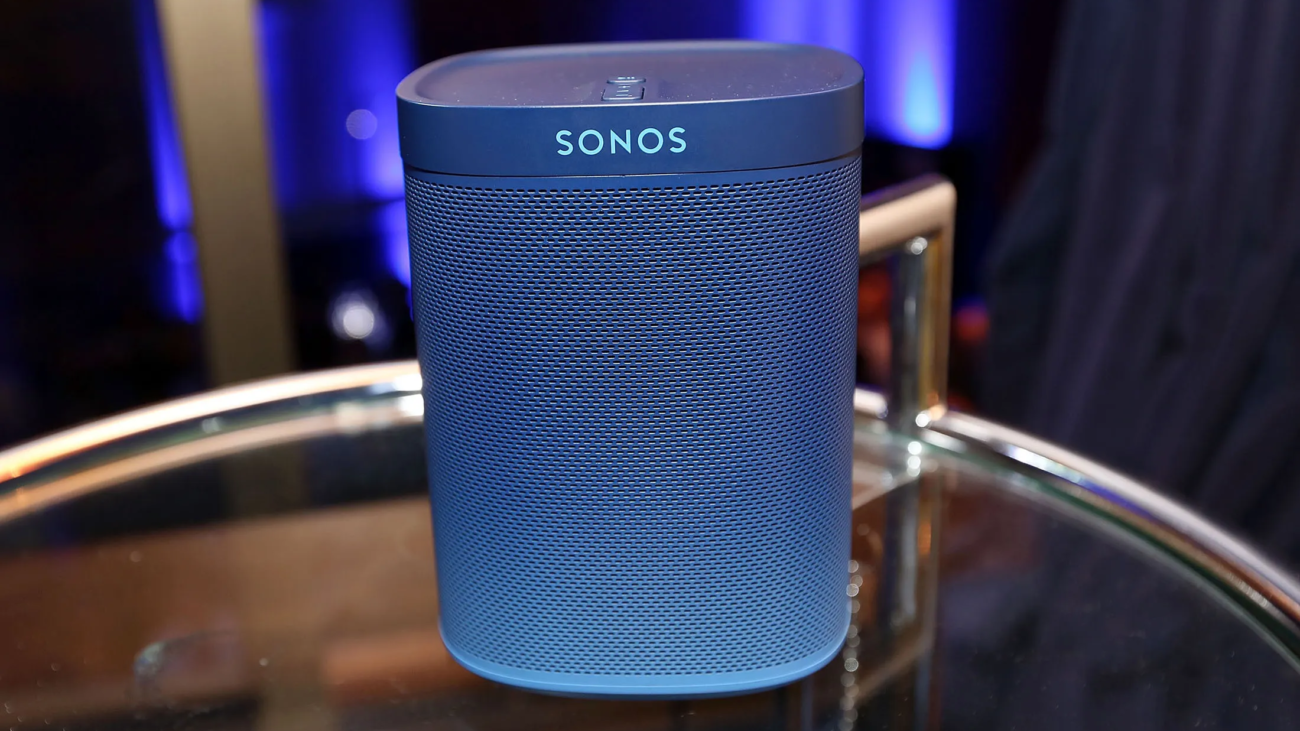
Audio enthusiasts brace for impact as Sonos announces inevitable price increases following new tariff implementations. The premium sound company faces mounting pressure from trade policies that will directly affect consumer wallets across America.

Sonos CEO Confirms Tariff Impact on Pricing Strategy

Tom Conrad, who officially became Sonos CEO in January 2025, delivered sobering news during the company’s latest quarterly earnings call. Following a challenging recovery from last year’s problematic mobile app launch, Sonos reported $344.8 million in revenue alongside a $3.4 million net loss for the quarter.

The executive made clear that rising tariff rates will force pricing adjustments across select product lines. These changes stem from new trade policies affecting Vietnam and Malaysia, where Sonos manufactures nearly all US-bound products.

Manufacturing Challenges Drive Cost Increases

Conrad explained the company’s operational hurdles during the earnings discussion. Vietnam faces a 20 percent tariff rate, while Malaysia encounters 19 percent increases. These rates significantly impact Sonos since the company produces almost everything overseas, excluding minor accessories and partnership products with Sonance.

The CEO emphasized ongoing collaboration with manufacturing partners and retail channels to distribute additional costs. However, these efforts cannot fully offset the tariff burden, making price increases unavoidable for certain products.

Strategic Pricing Approach Balances Growth and Profitability

When analysts questioned the pricing strategy, Conrad outlined a measured approach focused on optimizing profit margins rather than volume alone. The company plans variable pricing adjustments across different products, considering market conditions and competitive positioning.

Recent software enhancements demonstrate Sonos’s continued innovation despite financial pressures. New features include multiuser TV audio swap functionality, TrueCinema audio adjustments for Ace headphones, and AI-powered speech enhancement for the Arc Ultra soundbar.

Consumer Impact and Market Response

The pricing changes will affect customers differently depending on product categories and regional markets. Sonos plans careful monitoring of consumer behavior patterns and competitive responses to adjust strategies as needed.

Channel partnerships remain crucial for managing the transition. The company works closely with retail partners to explore opportunities that benefit both parties while minimizing customer impact.

Sonos faces a challenging balance between maintaining affordability and preserving profit margins amid rising tariff costs. While price increases appear inevitable, the company’s strategic approach aims to minimize consumer disruption while sustaining business growth. Audio enthusiasts should expect gradual price adjustments throughout 2025, with specific impacts varying by product category and market segment.


READ ALSO: Google Fights Back: Tech Giant Claims AI Search Isn’t Destroying Website Traffic (But Data Tells Different Story)

[slick-slider]